
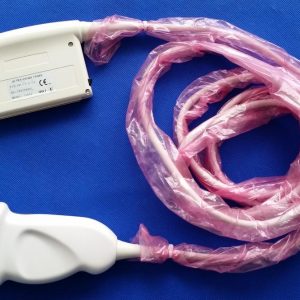
Answer first: The current Aplio XG archive contains PVT-375BT and PVT-674BT repair-service records. It should be read as a live site map, not a complete historical compatibility table. Confirm the Toshiba/Canon naming on the physical label, exact model, connector, host-system configuration, service symptom and quotation evidence for the unit involved.
Toshiba Aplio Xg Probes: evidence matrix
| Decision field | Evidence to collect | Why it matters |
|---|---|---|
| PVT-375BT | Current Aplio XG convex-array repair record | Confirm the complete unit and service scope |
| PVT-674BT | Current Aplio XG micro-convex repair record | Keep separate from PVT-375BT |
| Brand label | Toshiba or Canon wording exactly as shown | Preserves legacy naming without forcing a substitution |
| System context | Aplio XG label and relevant configuration | A family name alone is incomplete |
| Observed symptom | What appears, when and under which condition | Supports repair intake without remote diagnosis |
| Physical condition | Lens, housing, cable, strain relief and connector | Defines the incoming baseline |
| Verification scope | Named checks and result record | Separates an assessment from a broad tested claim |
Preserve Toshiba and Canon naming accurately
Legacy product records may carry Toshiba branding while current corporate materials use Canon Medical. Record what is physically present on the system and transducer. Do not rewrite a label to match a newer brand convention, because the physical identity is what service and sourcing teams must trace.
Two current records do not equal every Aplio XG probe
The archive currently exposes PVT-375BT and PVT-674BT. Other requests require their own label and connector evidence. A search article should not manufacture a long compatibility list simply to look comprehensive.
Repair and replacement need different records
Repair starts from the existing physical unit, symptom and incoming inspection. Replacement starts from the intended system match and offered item. Compare them only after both rows describe the same compatibility and acceptance boundary.
Specify post-work evidence
Ask which physical, electrical, acoustic, imaging or system checks are included, their conditions, the result format and exclusions. AIUM supports regular transducer assessment and quality control of repaired transducers, but does not make every provider's test scope identical.
Verification workflow
- Open the Aplio XG archive: Use the current records as candidates.
- Capture exact identity: Record brand label, model, connector and host context.
- Document the symptom: Use observable language and current condition photos.
- Confirm the service record: Approve scope, tests, exclusions and commercial terms.
How to keep the decision auditable
Use one reference across the enquiry, photographs, source documents, quotation and later inspection or acceptance record. Save the date and origin of each fact. When the model, system, condition, quantity or service scope changes, create a new revision rather than silently reusing evidence from another item. Mark unresolved fields as pending; a missing answer should not be converted into a positive compatibility, condition or availability claim.
Before approval, have a second reviewer compare the complete model characters, connector, host-system context and quotation scope. This catches mixed photo sets, copied specifications and broad catalogue statements that do not belong to the physical item. The written quote is the final commercial control point and should identify the exact offer, evidence, exclusions, availability basis, shipping responsibility and remedy terms.
Evidence that belongs to the exact item
Keep general source material separate from item-level proof. A manufacturer page or technical reference can explain terminology and decision boundaries. A catalogue page can show that Akicare currently has a related record. Neither one proves the serial identity, present condition, stock position or test result of a unit offered today. Those facts require photographs, labels, inspection records or quotation statements tied to the same item reference. This separation is especially important when a page uses representative imagery or when a model name appears across several systems.
Questions to resolve before commitment
Ask whether every specification comes from the exact model document, whether the connector and host-system configuration were checked, whether photographs show the offered unit, and whether the test statement names its method and exclusions. Also confirm what is included, what remains pending, when availability was checked, who carries shipping responsibility and what remedy applies if the received identity or condition differs from the written record. These questions turn a broad search result into a reviewable B2B purchasing or service decision.
Record negative findings as carefully as positive ones. If a source does not establish a model pairing, if a photograph is representative, or if a test excludes part of the device, say so beside the affected field. Clear limitations help the next reviewer act; vague confidence only hides the remaining work.
Open the relevant Akicare catalogue or assessment
Frequently asked questions
Which records are currently in the Aplio XG archive?
PVT-375BT and PVT-674BT repair-service records.
Are Toshiba and Canon names interchangeable?
Preserve the wording on the physical device and use current documentation for the exact configuration.
Can this article diagnose a fault?
No. It provides intake and evidence fields; inspection determines the service finding.
What should a quote identify?
The exact unit, scope, evidence, exclusions, timing basis and remedy terms.
Related Akicare resources
Sources and evidence boundary
- Akicare Aplio XG archive
- AIUM transducer testing and repair statement
- Akicare Toshiba/Canon repair guide
Sources checked 3 August 2026. Use the current exact manufacturer document, facility procedure and jurisdiction-specific requirement for the device involved.