Ultrasound probes • biopsy guides • repair assessment

MODEL-SPECIFIC PRODUCT ENQUIRY
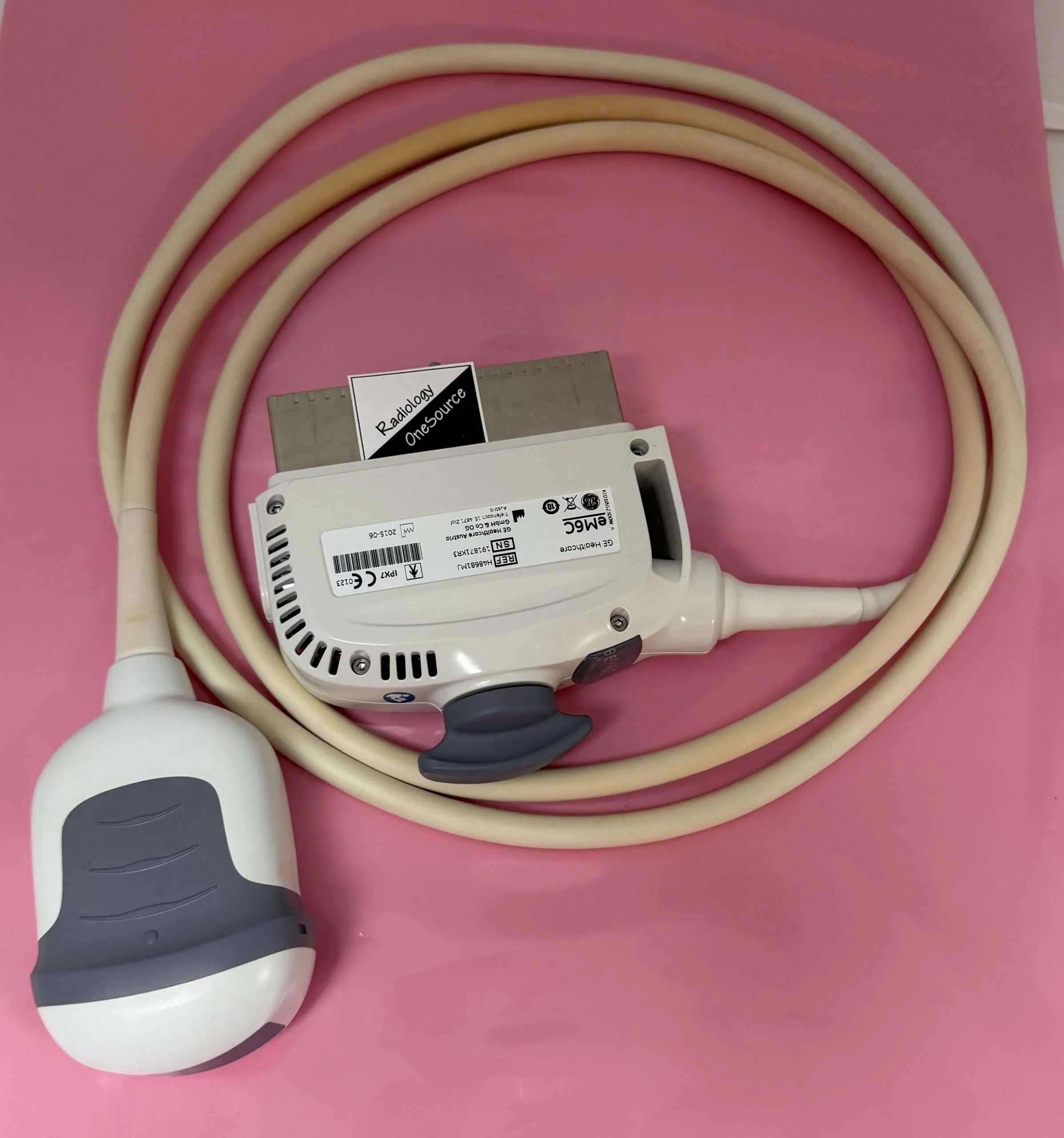
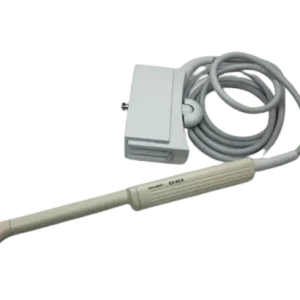
GE eM6C Convex Ultrasound Probe
Compatibility, condition, available inspection or test scope, availability, timing and shipping are confirmed for the exact model in the quotation.
- Exact system and model compatibility is confirmed in the written quote
- Condition and current availability stated in the quote
- Test scope, timing and shipping confirmed per request
Catalogue content is a product reference, not a universal compatibility, inventory or delivery guarantee.
Product details
When you are sourcing a convex transducer for a Voluson E10 installation, the eM6C is the model your engineering team will need to match. This catalogue record covers a new aftermarket-compatible unit, supplied with a repair service option for an original GE eM6C that has failed. The site data lists GE Voluson E10 as the compatible system, and the array type is convex. Condition grading is central to this listing: the new aftermarket-compatible option means the probe is not manufactured by GE, so the testing and inspection scope are settled per transaction, not assumed from the catalogue. For imaging engineers, the practical point is that what you receive must be verified against your exact system configuration before installation.
This listing also references the original GE eM6C transducer for repair work. If you are procuring for a hospital trust or reselling to a dealer network, you will need to confirm the condition grade, the available testing scope, availability, timing and shipping for the specific unit in your quotation. Those details are settled case by case after you contact the team. Brand and model names are trademarks of their respective owners and appear here for compatibility reference only. The probe is a compatible aftermarket product, not affiliated with GE.
For a similar convex transducer option alongside this eM6C listing, review the GE S-VAW3-5 Convex Ultrasound Probe in the Convex & Curved Array Probes category.
| Compatible Brand | GE |
|---|---|
| Probe Model | eM6C |
| Array Type | Convex |
| Compatible System(s) | GE Voluson E10 |
| Condition | New Aftermarket-Compatible / Repair Service |
Frequently asked questions
From the buyer’s side: what after-sales support do you provide for this eM6C unit if it arrives with a fault?
Support terms are not fixed in the catalogue. When you contact the team, ask for the specific repair or replacement process for this order, including who bears return shipping and how a fault would be verified. Each transaction has its own agreed arrangement.
Could you clarify what the new aftermarket-compatible condition means for this convex probe?
It indicates the probe is newly manufactured by a third party to work with the GE Voluson E10, not by GE itself. Before purchase, ask what testing or inspection was performed on this specific unit, because that scope is confirmed only for your quotation.
Specific to this model, how do you confirm that this eM6C will work on our Voluson E10 scanner before we order?
Compatibility is confirmed for the exact model in the quotation, not by the catalogue alone. Ask the team to verify the probe model and system pairing against your scanner serial number. The site data lists GE Voluson E10 as the compatible system.
What connector and labelling details should I check on the eM6C when it arrives?
Check the probe label for the model eM6C and the connector type against your Voluson E10 port. Since the catalogue does not list connector specifications, request a photograph or description of the connector from the team before dispatch and verify it matches your system.
Before ordering
Confirm the host system
Provide the system model and software or connector details when relevant.
Request current photos
Ask for model-specific photos and the stated condition of the offered item.
Review the quote scope
Check condition, compatibility, testing, timing and shipping before approval.
RELATED CATALOGUE ENTRIES
Compare nearby models before requesting a final match.
PRODUCT INQUIRY
Confirm this model against your system.
Include the system model, required condition or service, quantity and destination.